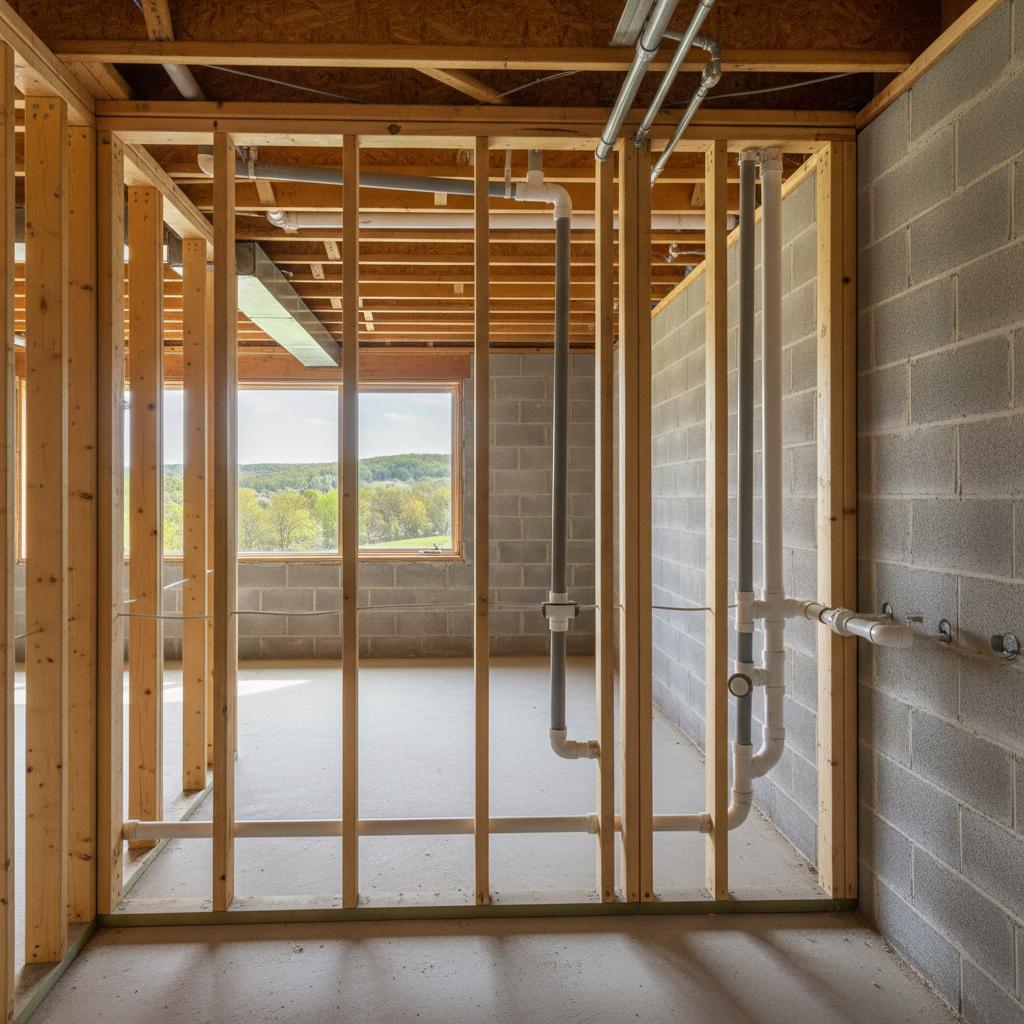
Alright, so you're thinking about a plumbing rough-in project, maybe for a new bathroom addition or a big kitchen remodel. That's a huge step, and frankly, it's one of the most critical parts of any renovation. Mess this up, and you're looking at headaches, leaks, and busted drywall down the road. I've seen it happen. Let's talk about how to get it right.
Understanding the Plumbing Rough-In Timeline
How long does a plumbing rough-in take? It's definitely not a one-day job. For a typical kitchen or bathroom, you're usually looking at anywhere from 3 to 7 days. Sometimes it takes even longer if the layout is complex or we run into unexpected issues. This isn't just about running pipes; it's about precision. We're talking about getting all the water supply lines, drain lines, and vent pipes exactly where they need to be, according to code, before any walls get closed up.
Think about it: the plumber has to cut into framing, drill holes, run pipes through studs and joists, connect everything up, and then pressure test the system. That pressure test alone can take a day or two, just to make sure there are no tiny leaks. You really don't want to rush this part. A good plumber, like the folks at Coastal Kitchen Remodeler, will take their time to do it right.
What to Expect During the Process
When the crew shows up, things are going to get a little messy before they get better. Expect some noise, dust, and a lot of activity. Here's a quick rundown:
- Demolition: If it's a remodel, we'll start by opening up walls and floors to expose the existing plumbing.
- Layout & Marking: The plumber will mark out where all the new fixtures (sinks, toilets, showers) will go, then they'll plan the pipe runs.
- Rough-In Installation: This is where most of the work happens. New pipes get cut, assembled, and secured. Drain lines are sloped correctly for gravity flow, and vent pipes run up through the roof.
- Testing: Once everything's in place, the system gets tested. We'll fill the drain lines with water or pressurize the supply lines with air to check for leaks. This step is non-negotiable.
- Inspection: Before anything gets covered, the local building inspector will need to sign off on the rough-in. This is crucial for your safety and for passing future home inspections.
During this phase, you'll see a lot of exposed pipes and framing. It won't look pretty, but it's the foundation for everything that comes next.
How to Prepare for Your Plumbing Rough-In
Preparation is key to a smooth project. Here's what you can do:
- Clear the Area: Move furniture, personal items, and anything valuable out of the work zone. The more space we have, the faster and safer we can work.
- Know Your Fixtures: Before the rough-in starts, you need to have your actual fixtures picked out or at least know their exact specifications. This includes sinks, faucets, toilets, shower valves, and any appliances that need water (dishwasher, fridge with ice maker). Different fixtures need different pipe placements.
- Communicate: Talk to your contractor and plumber. If you have questions or concerns, bring them up early. Don't wait until the pipes are in the wall to decide you want the shower head higher.
- Access: Make sure there's clear access for workers and materials, especially if we're dealing with tight spaces or a basement rough-in in one of those older Galena homes with stone foundations.
- Temporary Arrangements: Plan for temporary disruptions. You might be without water for a bit, or a bathroom might be out of commission. Have a backup plan.
Questions to Ask Before Signing a Contract
Don't just sign the first thing put in front of you. You're investing a lot of money and trust here. Ask these questions:
- Are you licensed and insured for plumbing work in Illinois? This is non-negotiable. Ask for proof.
- Who will be doing the actual work? Your employees or subcontractors? Either is fine, but you should know.
- What's the estimated timeline for the rough-in phase? Get a clear start and end date.
- What permits are needed, and who is responsible for pulling them? Usually, the contractor handles this, but confirm.
- What's included in the rough-in cost? Does it cover all materials, labor, inspections, and any necessary demolition or patching?
- How do you handle unexpected issues? What if you hit an old, corroded pipe or a structural surprise? How does that impact the timeline and cost?
- What kind of warranty do you offer on your plumbing work? A good contractor stands behind their work.
- Can you provide references from previous rough-in projects? Talk to those homeowners.
- How will you protect my home during the work? Dust control, floor protection, etc.
Getting these answers upfront will save you a lot of grief. A good contractor won't bat an eye at these questions. They'll appreciate that you're doing your homework. Plumbing isn't something you want to cut corners on, especially not in a town like Galena where old homes have their own unique quirks. Do it right the first time, and you'll enjoy your new space for years to come.