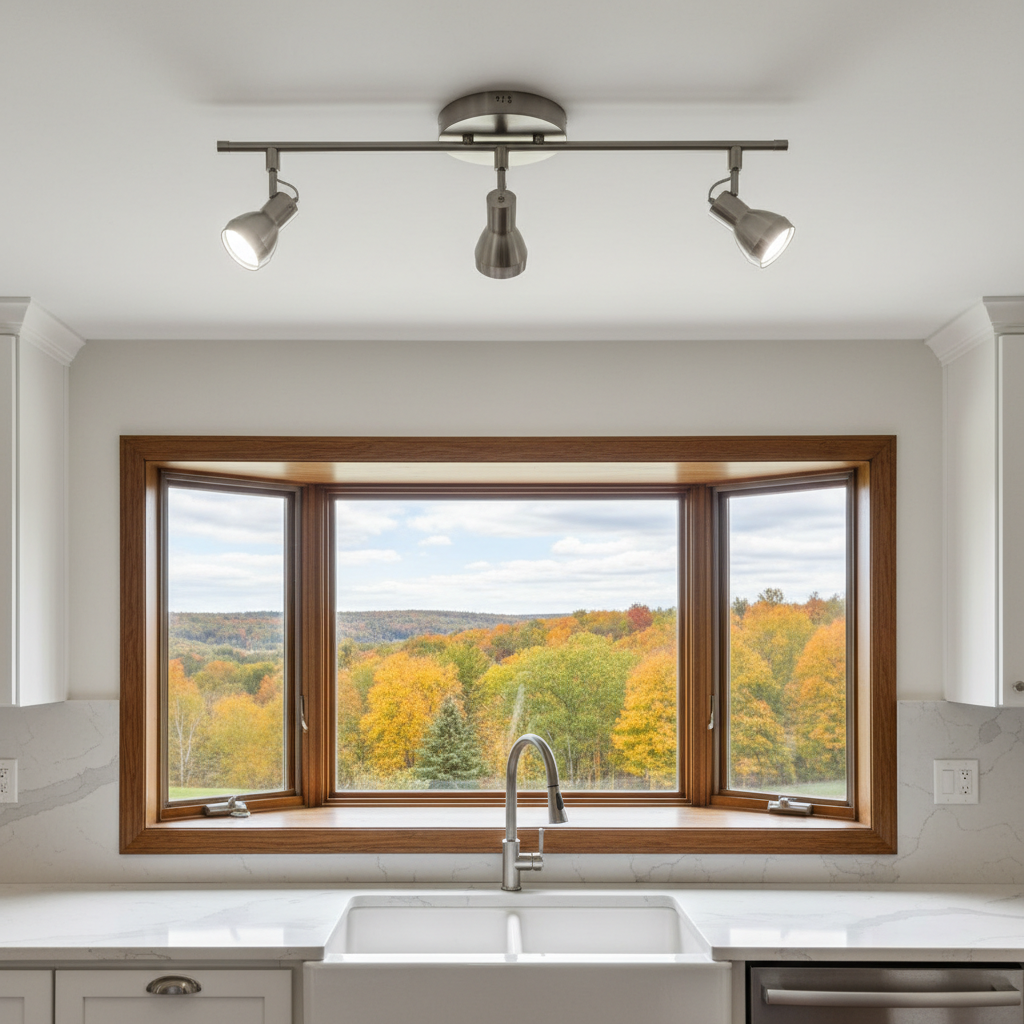
Your kitchen lights aren't just there so you can see; they really set the whole vibe. And here in Galena, with our long winters and sometimes pretty damp springs, you want those lights working just right. I’ve seen plenty of kitchens where people just ignore their lighting until it completely dies. That’s a real mistake. A little bit of care goes a long way to keeping your kitchen bright and, honestly, avoiding bigger headaches down the road.
Making Your Kitchen Lighting Last Longer
You want your lighting to stick around for a while, right? It’s not rocket science, but there are a few things you can do. First off, don’t skimp on bulbs. I know those super cheap LEDs look tempting, but they often burn out faster or start flickering way too soon. Spend a little extra on good quality bulbs from brands you trust. They’ll last longer, give you better light, and save you a bunch of hassle in the long run.
Another big one? Heat. Enclosed fixtures, especially recessed lights, can trap heat like crazy. If you’re using incandescent or halogen bulbs in those, they’re going to burn out quicker than you can say "Coastal Kitchen Remodeler." LEDs are much better at handling heat, but even then, make sure you’re using bulbs rated for enclosed fixtures if that’s what you’ve got. Overheating is a killer for electronics, and that includes your light bulbs and the wiring inside your fixtures.
Also, think about where your lights are. If you’ve got under-cabinet lighting right above your stove, it’s going to get hit with more grease and steam. That stuff can gunk up fixtures and even corrode connections over time. A good exhaust fan is super important, not just for cooking smells, but for protecting your lighting too.
Regular Maintenance: What You Should Do
This isn’t something you need to do every day, but a little regular attention really can make a difference. Every few months, or whenever you’re doing a deep clean, take a look at your light fixtures. Dust and grime can build up, especially on pendants or recessed lights. That dust acts like an insulator, trapping heat and making your bulbs work harder. It also dims the light output, making your kitchen feel less bright than it should. What a drag!
For most fixtures, a quick wipe down with a damp cloth is all you need. Just make sure the power is off first! For glass shades, you can usually take them down and wash them with soapy water, then dry them thoroughly before putting them back. If you’ve got track lighting or adjustable spots, gently clean around the connections and make sure everything’s snug. I’ve seen plenty of flickering lights that were just loose bulbs or dirty contacts, believe it or not.
If you’ve got smart lighting or dimmers, check their connections occasionally too. Sometimes a loose wire behind the switch can cause intermittent issues. And speaking of dimmers, make sure your bulbs are compatible. Not all LEDs are dimmable, and using a non-dimmable bulb on a dimmer switch will shorten its life and can even damage the dimmer itself.
Trouble Signs to Watch For
Your lights will usually tell you when something’s not right before they completely quit. Don’t ignore these signals:
- Flickering: This is probably the most common one. If it’s just one bulb, try replacing it. If it’s a whole fixture or multiple lights on the same circuit, it could be a loose connection, a failing switch, or even an issue with your home’s electrical system.
- Buzzing or Humming: Lights shouldn’t make noise. If you hear buzzing, especially from a dimmer switch or a fluorescent fixture, that’s a sign something’s off. It could be an overloaded circuit, a faulty ballast, or a bad dimmer.
- Bulbs Burning Out Frequently: If you’re constantly replacing bulbs in the same fixture, something’s wrong. It could be too much heat, too high voltage, or a loose connection causing power surges.
- Discoloration or Scorching: This is a serious one. If you see any browning, blackening, or melting around the fixture, bulb, or switch, shut off the power immediately. That’s a fire hazard, plain and simple.
- Intermittent Operation: Lights that work sometimes and don’t others are frustrating. This usually points to a loose wire or a failing component somewhere in the circuit.
When to Call a Pro
Look, I’m all for DIY, but there are some things you just shouldn’t mess with if you’re not an expert. When it comes to electrical work, safety is the most important thing. If you’re seeing any of those serious warning signs like scorching or buzzing, or if you’ve got flickering that a simple bulb change doesn’t fix, it’s time to call in a licensed electrician. Don’t try to troubleshoot complex wiring issues yourself. You could get hurt or cause more damage.
Also, if you’re looking to upgrade your lighting, like adding new recessed lights or moving fixtures around, that’s definitely a job for a pro. Especially in older Galena homes, the wiring might not be up to modern standards, and you want someone who knows how to handle that safely and up to code. We’ve done plenty of kitchen remodels here at Coastal Kitchen Remodeler, and we always make sure the electrical work is solid and safe. It’s not just about how it looks; it’s about making sure your home is safe and your lights work reliably for years to come.